Friday, June 20, 2014

10 Books to Read this Summer... part I

Not too long ago, my high school science teacher and friend on Facebook asked that I make her a "Top 10 Summer Reading List." I instantly said yes and then realized: even after 20 years, she's still giving me homework ;)...

Of course, while compiling my list, I realized I have a varied taste in books. And I think it an important part of being a writer: to read widely and out of your genre/comfort zone. So, this is for you, Ms. Pat! A summer reading list just in time for the Summer Solstice, which is a varied list of books that will make your summer interesting, entertaining, and dare I say, educational. 

Here's the first installment - 4 books to get you started.  

10 Books to Read this Summer (part I)... aka, the first 4...


by Wilma Mankiller

by Sharon Short

by Barbara Delinsky

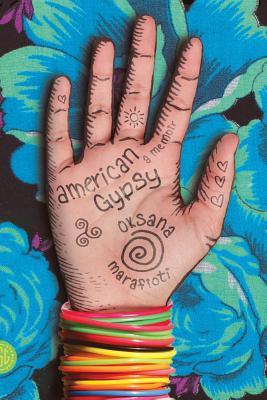
by Oksana Marafioti


If you have any good books you'd like to share, comment below. And especially add a link to your own book if you've got a good one out!

Happy Summer!! :)

Thursday, May 15, 2014

BB Interview: Jim Denney, author of the TIMEBENDERS and WRITING IN OVERDRIVE

TGIF! I couldn't sleep as I had one of the best writing conversations today with Jim Denney. And, of course, I invited him to stay a while longer for a quick interview. (which, if you know anything about writers, nothing is ever quick ;)

Author of the Timebenders, a science fantasy series for young readers and Writing in Overdrive: Write Faster, Write Freely, Write Brilliantly, Jim Denney is one of the greats and has been writing - and intensely committed to it - all his life.

Please help me give a warm BB Writers Retreat welcome to Jim Denney!

Jim Denney (left) with one of his writing heroes, Harlan Ellison, at the Saroyan Writer's Conference where Jim gave a workshop on writing for a living, and Harlan was guest of honor.

Lia Mack: Jim, start us off by saying a little about yourself:

Jim Denney: I've been writing for as long as I can remember, and I've been a full-time self-employed writer since 1989. I don't think I'm defined so much by writing per se as by what I care about and write about—meaning and purpose in life, how the universe and life came to be, how the mind works, the nature of truth and reality, how we achieve our full potential, and how we treat one another as fellow members of the human family.

Lia Mack: That's wonderful that you're able to follow your passion, and successfully! Can you tell us a little about your books?

Jim Denney: I wrote a series of time travel adventures for young readers called the Timebenders series, originally for Thomas Nelson Publishers, and recently reissued in a revised and updated ebook edition by Greenbrier Books. The first book in the series is Battle Before Time. Throughout the series I combined scientific paradoxes with moral paradoxes. I tried to confront my characters with insoluble problems of both science and conscience. For example, I put my protagonist—a boy genius named Max—in an impossible position where he must choose between helping an evil ruler kill thousands of innocent people versus allowing his three closest friends to die. You can't read the story without asking yourself, "What would I do in Max's place?"

I honestly believe young readers are more nimble thinkers than most grownups, because they haven't formed a lot of biases and hard-shell opinions. So I don't write down to kids. I write for middle grade readers using the same vocabulary and concepts I use when writing for adult readers. If anything, I tend to simplify more when writing for adults.

One of the writers who impacted me at an early age was Madeleine L'Engle. I discovered A Wrinkle in Time when I was nine years old. After reading that book, I knew I wanted to be a writer.

A Wrinkle in Time is filled with scientific and moral paradoxes. I remember the pleasure of trying to wrap my brain around the Tesseract, the four-dimensional hypercube in L'Engle's story. I remember the moral and spiritual dilemmas L'Engle threw at her characters. I appreciated it that L'Engle didn't write down to me. She trusted me, the young reader, to keep up. She once said, "Write the book that wants to be written. If it's too difficult for grownups, write it for children." I've always followed that advice.

Lia Mack: What was the most challenging aspect of writing the Timebenders series?

Jim Denney: I suppose the biggest challenge I faced in writing these books was the short deadline. It was a curse that turned out to be a blessing. I asked the publishers to push the deadline out a few months, but they wouldn't budge. So I accepted a challenge I thought was impossible, and I met the challenge. I delivered the books to the publisher on deadline (more or less). And in the process I learned I could write faster than I had ever written before. I also learned that by writing faster, I could write more freely and I was more creative than if I'd had more time to think and plan what I was writing. That was a huge eye-opener to me as a writer.

I learned a lot about the creative process during that experience, and I finally understood what Ray Bradbury meant when he said, "In quickness is truth. The more swiftly you write, the more honest you are." I eventually took the lessons I had learned, combined them with research into the lives and creative processes of other writers, and wrote a nonfiction book for writers, Writing in Overdrive: Write Faster, Write Freely, Write Brilliantly. It's a distillation of everything I've discovered about unleashing our creativity.

Lia Mack: Sounds like a book we need on the shelf here at the BB! Now, my ultimate question...Why do you write?

Jim Denney: I write because I can't imagine doing anything else. I was writing as a child, as a teenager, as a college student. My first adult job was writing and editing. What else can I do? What else am I suited for? I'm not qualified for anything else, and I can't imagine doing anything else. My mind is crammed full of stories and ideas I want to express. If I don't write them, my head will explode.

Saul Bellow once said, "A writer is a reader moved to emulation." That's certainly true in my case. My three great writing role models, the writers who most influenced me and motivated me to become a writer, were the ones whose work impacted me in my youth and teenage years—Madeleine L'Engle, Ray Bradbury, and Harlan Ellison.

Lia Mack: Well said. Can you describe a bit how your venture into writing looked like?

Jim Denney: I started out writing nonfiction, working mostly as a writing partner for celebrities and authorities in various fields. I got to work with a lot of fascinating people, and I learned a lot from each of them. I worked with Pat Williams, the founder of the Orlando Magic, on many kinds of books ranging from sports and leadership to a biography of Walt Disney. I worked with Super Bowl champions Reggie White and Bob Griese, and learned a lot about determination, perseverance, and work ethic. I worked with actress Grace Lee Whitney on her Star Trek memoir, with supermodel Kim Alexis, and many others. It's been a fascinating journey. Whether I'm writing fiction or nonfiction, every book I write is a learning and growing experience.

Lia Mack: If you don't mind me asking, what are you working on now?

Jim Denney: I'll just say that my current work-in-progress is science fiction on a grand scale.

Lia Mack: What does your typical writing day look like?

Jim Denney: My typical writing day for the past twenty-five years or so is pretty simple. Get out of bed and start writing. Knock out five hundred words or so first thing, then grab breakfast and coffee. Then it's writing and coffee pretty much all day long, interwoven with my day-to-day "real life"—family time, relaxation, household chores, and so forth. But both consciously and unconsciously, I'm writing all day long. I end the day with a long stretch of uninterrupted writing. Nighttime is prime time for writing, because the phone never rings.

Lia Mack: During your "real life" time, do you read while you write? What are you reading now?

Jim Denney: I have writer friends who say they won't read while they are engaged in a writing project. I suppose that's so that they won't be influenced by what they read. But I'm always writing. If I can't read during a writing project, I'd never get to read—and I can't go a day without reading for pleasure. Currently, I have two books open. I'm reading The Stars My Destination, a classic science fiction novel by Alfred Bester, and the definitive Harlan Ellison collection, The Essential Ellison.

Lia Mack: Seeing you love science fiction... if you could go back in time, what advice would you give yourself if you could speak to the aspiring writer you once were?

Jim Denney: In my early days, I lacked focus, motivation, and discipline. I thought writing success would come easily. I'd love to go back in time and give my younger self a kick in the pants and a Vince Lombardi-style motivational speech. I'd say, "Writing isn't something you do when you feel like it. Writing is a discipline, a daily habit, an intense commitment. You have to be a writer with every fiber of your being. You have to be intense, focused, and sold out to your work. You have to crave writing. You have to want it so much that you think about writing when you wake up, think about writing throughout the day, think about writing when you go to bed, and dream about writing through the night."

I'd also tell my younger self to get a copy of Dorothea Brande's Becoming a Writer. If you want to understand the creative process and how to tap into the power of the unconscious mind to unleash your imagination and creativity, you must read that book. I learned much of what Brande teaches through trial and error, but I could have greatly accelerated my growth as a writer if I had discovered that book at an early age. It was written in 1934, but I only read it for the first time within the past few years. Every serious fiction writer should read Becoming a Writer without delay.
  
Lia Mack: Another great book for the shelf. And I'm going to post your spoken advice on the wall of every writer's room here at the BB. And also tattoo it on my arm. 

"Writing isn't something you do when you feel like it. Writing is a discipline, a daily habit, an intense commitment."

You said it perfectly.

Well, Jim...it's been fun! I hope you can stop by the BB again some day. In the meantime, where can BB readers go online to find you and your work?

Jim Denney: My book on writing quickly and freely is called Writing in Overdrive. It's available in trade paperback and as an ebook at Amazon.com. My Timebenders books for young readers are also available at Amazon.com: Battle Before Time, Doorway to Doom, Invasion of the Time Troopers, and Lost in Cydonia. My two most recent nonfiction books with Pat Williams are Leadership Excellence and The Leadership Excellence Devotional, both from Barbour Books.

Thank you, Lia, for giving me a soapbox to talk about writing. Wishing you and all your readers at the BB B&B an inspired writing adventure!

Lia Mack: It was my pleasure. Come back any time! 

:)


Tuesday, May 13, 2014

BB Interview: Cindy Young-Turner, debut author of THIEF OF HOPE

Good afternoon and welcome back to the BB Writers Retreat! 

While sipping some good ol' sweet tea out on the front porch, debut author Cindy Young-Turner stopped by for a chat. And as always I asked her some of my favorite questions: why do you write? 

The answer to that is always fun ;)

But my favorite question to ask authors is: what advice would you give yourself if you could go back in time and talk to the aspiring writer you once were? 

Check out Cindy's wonderful answer below, as well as other golden advice for all writers.

~ Lia 

BB Interview: Cindy Young-Turner, debut author of THIEF OF HOPE


Cindy Young-Turner, 
author of Thief of Hope and Journey to Hope

Lia: So, Cindy. Tell a little about yourself:
Cindy: I’m an author and a mom and I also have a full-time day job. Life is hectic. By day I edit and do business development for international development projects. In my free time, I try to inspire my characters to fight for change and justice in their imaginary worlds. I’m an avid reader and a fantasy geek and the original Star Wars trilogy shaped my childhood.

Lia: Ultimate question...Why do you write? 
Cindy: I don’t think I could not write! I’ve always done it, from almost as far back as I can remember. I have stories I’d like to tell so I’ll keep writing as long as I can.

Lia: How do you feel you've grown as a writer?
Cindy: Finishing a novel is a huge milestone and getting published is an even bigger one. I have to give a lot of credit to my wonderful critique groups that have helped me over the years. In addition to knowing how to put words together, there’s also characterization, plot elements, basically how to make your story hang together and engage the reader. Working professionally as an editor has also helped in the technical aspects of writing, even though technical writing is very different from creative writing. And going through the sometimes painful editing process during the publication of my novel was definitely an eye opener. It’s amazing to look back at my writing from a few years ago and see the improvement.

Lia: Can you describe a bit how your venture into writing looked like?
Cindy: As I mentioned earlier, I’ve been writing for most of my life. Sometime in grade school I think I had to write a story for a class and I was hooked. I was ten when I wrote my first “novel” and it was a combination of my own ideas, Star Wars, and GI Joe. I think now you’d call it fan fiction. I have a bunch of other novels in various stages that were hand written in notebooks. Most of them will probably never see the light of day, but who knows. Maybe someday I will salvage one of them.

Lia: Can you tell us a little about your book?
Cindy: Thief of Hope is fantasy and features a pickpocket whose life becomes entangled with the commoners' fight against an oppressive society, a would-be king's bid for the throne, and the strange and dangerous magic of the faery folk. In this bleak, medieval world, nothing is black and white, and even a thief must make a stand for what she believes is right. I adore Sydney, the heroine of the story. She’s not perfect and she’s had a hard life but she’s a fighter.

Lia: As one of your critique partners many moons ago, I adore Sydney too.

What was the most challenging aspect of writing this particular story?
Cindy: The hardest part was getting through a couple drafts and then realizing I needed to overhaul the story because certain plot elements just weren’t working. I kept about ten chapters and tossed out the rest, save for a few scenes that made it to the final cut. It was painful, but the result was a much stronger story.

Lia: It always does, doesn't it?

What are you working on now?
Cindy: I’m currently working on the sequel to Thief of Hope, titled Thief of Destiny.

Lia: What does your typical writing day look like?
Cindy: With a full-time job and an active five-year-old, it’s challenging to find time to write. Luckily I’m a night owl and my most creative time is between 9 pm and whenever I go to bed. Sadly I can’t pull really late nights like I used to.

Lia: Do you read a lot while you write?
Cindy: I love to read and I will read just about any genre. I went through a period a few years ago where I wasn’t reading much due to job pressures and lack of time and then I realized how much I missed it. So now I’m playing catch up because there are so many good books out there. I’m currently working my way through GRR Martin’s A Song of Ice and Fire series (on book 4) and I’m about to start the last book in Stephen King’s Dark Tower series. Not to mention the stacks of books around the house waiting to be read!

Lia: Good for you! I love stacks of books and honesty, a writer who doesn't read isn't much of a writer.

What are your thoughts on the necessity of writers building a platform? Any advice?
Cindy: Personally I hate the marketing aspect of the business. I’d much rather be writing than trying to sell my books and myself. But sadly it’s a necessity these days. There is so much out there in terms of social networking and it can really be overwhelming. I’ve been trying various things, from blogging to twitter to being featured on various book blogger sites. The best advice I can give is to start small and see what works for you and what you’re willing to do. From what I’ve heard, the best way to build your platform as a writer is to write more books.

Lia: That's the best advice of all!

If you could go back in time, what advice would you give yourself if you could speak to the aspiring writer you once were?
Cindy: I’d tell myself to have more confidence in my writing and to take advantage of my free time to write more when I have the chance.

Lia: Cindy, thank you so much for being our guest author today. 

Where can BB readers go online to find you and your work?
Cindy: Thanks so much for having me today! I hope your readers will check out my links!

Monday, April 28, 2014

4 Reasons Why Fiction Writers Need Editors... by guest editor Ally E. Machate

Hello, writers! 

Hope you had a refreshing weekend hiking through the woods or spring cleaning out your closets and attics, whatever your passion ;)

Today with us we have editor Ally E. Machate, to to talk about why fiction writers need editors. You know, that little something many of us balk at and yet, when it comes time to start sending out queries and sample chapters, we start to wonder, "maybe I should..." 

As someone who has bit the bullet and become a better writer for it, check out Ally's four reasons why...


4 Reasons Why Fiction Writers Need Editors
by guest editor Ally E. Machate

You’ve slaved over your manuscript, and now it’s time to edit. You could do it yourself, but with rare exception this would be a mistake. Here are four reasons why fiction writers need editors:
  • Your brain is working against you. It's impossible for the brain to be 100% objective about its own creations. Have you ever thought you said something, only to have your listener tell you the words coming out of your mouth were different? Likewise, when we read, our brains often fool us by filling in missing words and processing misspellings or incorrect punctuation, reading what it knows should be on the page rather than what's actually there.

  • You know too much. Technical errors aside, there are other aspects of your manuscript that may not be as obvious to readers as they are to you. As the author, you know what you meant and how you want readers to feel about it. Your perspective is more informed than your audience's; that knowledge further hinders your objectivity.

  • Your friends and family are lying. Though you’ll get better results if you choose test or “beta” readers representing your target audience, it’s human nature to be kind when doing a favor for someone; readers (especially loved ones) may not be 100% honest or they may emphasize what they liked, downplaying or omitting what they didn’t. They may also not be capable of fully articulating weaknesses. An experienced editor will be much more analytical, identifying problems and offering suggestions on how to fix them.
  • Editing requires more than good grammar. Each kind of editing requires different, though sometimes overlapping, skill sets. Good grammar and a sharp eye for punctuation are strong advantages, but not equal to working with an editor, who should also aid with “big picture” issues. The reverse is likewise true. [Check out my article explaining different types of editors here.]

If you can’t hire someone, get at least one critical person not obligated to be nice to you to edit your book: no spouses, siblings, parents, or best friends. Fellow writers make excellent critiquers: one great partner can work, but I recommend critique groups because you get a wealth of feedback at once. Of course, other writers will be harder on you than the average reader—but that's the point! A reader may not be engaged by your characters or excited by the romantic tension, but won't know why. They just won't love the book. However, like a pro editor, a fellow writer will show you why something isn't working, and will have suggestions on how to give your characters authenticity or how to better cultivate tension. And if you’re submitting, remember: industry gatekeepers are tougher than average readers, too.

It may take a while for a crit group to make its way through your manuscript, but if you have the time (and don’t have the money), this is an excellent alternative to hiring a professional. And I encourage you to try a critique group even if you do intend to hire someone! You want to give your book its best chance at success in a world where millions of new books are published each year, and millions more are rejected. A good editor, whether a pro or a skilled writing partner, can make all the difference.

Ally E. Machate
Ally E. Machate is an editor, writer, and publishing consultant who loves using her insider knowledge of the publishing industry and fifteen years of experience to help others reach their publishing goals, whether it’s showing a writer how to improve a manuscript, get an agent, or self-publish, or ghostwriting a book to help an entrepreneur skyrocket her business platform to new levels. Grab Ally’s free white papers and learn more about her services at www.ambitiousenterprises.com and www.allymachate.com.

Wednesday, April 23, 2014

Guest author Kristina Riggle talks about her thought-provoking and heart-wrenching novel inspired by real-life events...

Good Morning, my fellow writers :)

Today we have with us Kristina Riggle, acclaimed author of Keepsake and the new thought-provoking and heart-wrenching novel inspired by real-life events, The Whole Golden World (Wm Morrow/ HarperCollins).

http://www.kristinariggle.net/wholegoldenworld.html 
Kristina Riggle
Lia Mack: Kristina, thank you so much for joining us today at the BB Writers Retreat. 

Please start us off by telling a little about yourself...

Kristina Riggle: I write, I parent, I read, I volunteer, I run (slowly and not very far). I also have a dog which I never thought I'd say about myself, but it's amazing what your family can talk you into.


Lia Mack: Can you tell us a little about your book? 

Kristina Riggle: It's about two families and a town torn apart by a teacher-student affair, told from the points of view of Morgan (the teen-ager), Dinah (her mother) and Rain, (the teacher's wife).

Lia Mack: What was the most challenging aspect of writing this particular story?  

Kristina Riggle: Making all the characters understood. It's told from three points of view, and they are so different from one another. I had to make the reader feel for each of these characters, even the ones whose perspectives seem totally skewed, from the outside looking in.

Lia Mack: What are you working on now? 

Kristina Riggle: Researching, preparing and drafting a new book that no one has seen a single word of yet, so I won't say any more.

Lia Mack: Can you describe a bit how your venture into writing looked like? 

Kristina Riggle: I started out as a newspaper reporter, which at the time seemed like a more viable way to earn a paycheck. I quit when I had my first child and I was burned out on newspapering, and started to come back to creative writing in earnest. (I'd never really stopped, though.)

Lia Mack: What does your typical writing day look like? 

Kristina Riggle: Drop off the kids, run or other workout, and then writing plus business-type tasks (like this interview, for example). It would be easy to fill up a whole day with administrative type chores, and home chores, but I do my utmost to guard that writing time and give it priority. Right now I still haven't put away my (non-melty) groceries. I got home from the store three hours ago.

Lia Mack: What are your thoughts on authors needing to build a platform? 

Kristina Riggle: It's a different world for fiction and non-fiction. For novelists, I'd say not to get distracted by thoughts of platform until you've written the thing and spit-shined it. It's too easy to get distracted by marketing and publicity. Once you know your novel shines... It's a tough one. What's a novelist's platform supposed to be, anyway? An expert in writing novels? There are lots of those already. An expert in your subject? Maybe, if your subject lends itself to a non-fiction hook. But otherwise? I don't know. This isn't really an answer, but it's all I've got.

Lia Mack: If you could go back in time, what advice would you give yourself if you could speak to the aspiring writer you once were? 

Kristina Riggle: Take the long view. Any one rejection is only one rejection.

Lia Mack:  Perfect advice.  And thank you so much for being our guest author today.

If you'd like to learn more about Kristina Riggle and her books, please visit her online at: www.kristinariggle.net, Twitter: @krisriggle, Facebook: Facebook.com/RiggleNovels

Friday, April 11, 2014

How to Structure your Story: an "8 Point Story Arc" writing exercise...

Recently a writer friend lent me a worn copy of Writing a Novel (and getting it published) by Nigel Watts. The book is practically falling apart, but for good reason: Watts takes you through every stage of the craft of writing and guides you along the path to writing your novel.  Seriously, everything you need to know about writing a novel is in this book.

I particularly found the “Eight-Point Story Arc” guideline quite useful, so I thought I'd do a writing exercise based on Nigel Watts' 8-point story arc list.

Print this out and exercise your writing muscles!


How to Structure your Story: 
An "8 Point Story Arc" writing exercise...

1. Stasis

This is an “every day life” starting point, the perfect place to introduce your scene, character, time, place... Stage it.

2. Trigger

Then, all of a sudden, something happens to your character that is totally beyond their control.

3. The quest

Your character now has to set off on a "quest" to (fix/find/figure out) _______.

4. Surprise

Multiple things take place along this quest that create the middle of your story. These can be unexpected yet plausible obstacles, complications, pleasant events, conflict, etc... that happen to/by your character.

5. Critical choice

Your character is now faced with a critical decision. The result of this decision will reveal just who your character(s) really is(are). NOTE: this choice needs to be something your characters chose to do, not something that just happens to them. THINK: growth from the trigger/quest/mess.

6. Climax

The ultimate point of the story arc. Although the story isn't over yet, here we feel resolution. We feel the quest is complete and the mess from the trigger has been handled. 

7. Reversal

This is where you show that your character has really, truly changed due to all the above. Show your character's life playing out in an inevitable and probable way.

8. Resolution

A final return to a stasis. Of course a NEW stasis due to all the above. This is where you and your readers feel new story could sprout from as your character (and maybe even the setting) has totally changed to something new. Everything is back to normal, albeit a new normal. It's another "every day life" starting point.


I hope you find this story arc guideline just as useful as I have. Even if you've finished your manuscript, go back in and plot out your story. Does it follow and flow? Maybe this will help you solidify and fix something that's been nagging you, something that was just not quite working...yet.

Go for it. And let me know how your writing is coming along.

:)

Monday, April 7, 2014

2 Writing Contests to Enter Soon... Hurry! :)

Hey, y'all :)

I was just browsing around the internet, looking for something to do, when I came upon two writing contests that end/open soon. So naturally I wanted to share the info/links with you, my fellow writers ;)

If you have a completed manuscript in hand, check these out and give them a try!

~ Lia

Rising Star Contest

Opens May 1st - WomensFictionWriters.org


This is a brand new writers association just for women's fiction. And they have a contest that opens in May!

"This contest is designed exclusively for the unpublished women’s fiction writer. It offers the chance for priceless feedback from three published authors, plus the opportunity to break out of the slush pile and land on the desk of five final round judges, all acquiring agents of women’s fiction."

Review Board Entry

Closes April 11th - WritersRelief.com

This contest, from the looks of it, is a chance to get into their submission service that helps with query letters, writing your synopsis and everything that goes into getting your work in front of literary agents.

Writer’s Relief is seeking submissions of poetry, short prose, and books for our Full Service. Please select your genre below to submit your strongest work for consideration.


Wednesday, April 2, 2014

Author Ellis Shuman on what a typewriter Bar Mitzvah gift and devoted creative time can do for your writing...

Hello again, writers!

Today we have with us debut suspense novelist Ellis Shuman, author of Valley of Thracians, a face paced mystery about a missing Peace Corps volunteer in Bulgaria.

Ellis is currently working hard at work editing his next book, also a suspense novel, so I'm very glad he took the time out of his busy writing schedule to come meet with us today.

Please help me give a warm welcome Ellis Shuman, today at the BB Writers Retreat!

Lia Mack: Ellis, please start us off by telling a little about yourself:

Ellis Shuman: I was born in Sioux City, Iowa, and moved to Israel as a teenager with my family. After finishing high school in Jerusalem, I served for three years in the Israeli army. Along with my wife, I was a founding member of a kibbutz in Israel's southern desert. My years on kibbutz, working in agriculture and milking cows, served as background for my short story collection, The Virtual Kibbutz.
My wife and I now live in a community in the hills west of Jerusalem. For many years I worked in the hotel industry and my last position in this field was Food and Beverage Comptroller at the Jerusalem Hilton, back in the years when there was a Hilton hotel in Jerusalem. I have worked for the past decade in the online gaming industry, and a few years ago, my position was relocated on a two-year assignment to Sofia, Bulgaria. That experience served as background for my suspense novel set in Bulgaria, Valley of Thracians.

Lia Mack: Ultimate question...Why do you write?

Ellis Shuman: I grew up with an ever-present urge to tell a story. I inherited my writing abilities from my father, who was a journalist. During my summer vacations as a child, I wrote, edited, and marketed a neighborhood newspaper and went door to door selling copies of the page that told everyone what their neighbors were doing that summer. I have wanted to write a novel all my life, and have many unfinished manuscripts probably gathering dust in some archived online digital folder. Even though I work full time, writing is my hobby. I enjoy writing fiction, but also nonfiction, including book reviews, travel reports, and other stories that I have a need to tell.

Lia Mack: Can you describe a bit how your venture into writing looked like?

Ellis Shuman: I began writing stories as a boy and was extremely grateful to receive a typewriter as a present for my Bar Mitzvah at the age of thirteen. That typewriter would serve me for many, many years, and in fact, I wrote a manuscript for my first, and eventually unpublished, novel on that machine. I think I still have it in the attic for sentimental reasons. I remember deliberating whether to buy an electric typewriter when they first came out, but in the end elected to go with my first computer. A word processing program was like heaven for me. No more retyping entire pages or whiting out mistakes with Tipp-Ex. I had advanced into the modern age of writing. Even so, when I began writing the stories that became The Virtual Kibbutz, I wrote out some of them by hand in a café because I didn't own a laptop at the time. When I came home in the evenings I would then type up my stories into the computer, giving me a chance to review that morning's creativity. Now I type up everything on a laptop, barely ever visiting the desktop computer we have in our home.

Lia Mack: Can you tell us a little about your book?

Ellis Shuman: After living for two years in Bulgaria, I wanted to be able to share that experience through my writing. I enjoy reading suspense novels, so I made the decision to write a suspense novel set in Bulgaria. As far as I can see, there are not too many novels, of any genre, available in English that tell about life in Bulgaria. Along with the element of suspense, I became determined to include a sense of Bulgaria in the book. Many readers have stated that Valley of Thracians is part mystery, part travelogue. That's because I write about Bulgaria's history, culture, food, tourist sites, and most importantly, about Bulgaria's people. Readers will be enthralled not only by a fast-paced suspense story, but also by an introduction to a country about which they previously knew very little.

Lia Mack: What was the most challenging aspect of writing this particular story?

Ellis Shuman: While living in Bulgaria, my wife and I traveled extensively around the country. I guess everything we were doing for two years was research for my novel. I didn't take notes along the way, but I revisited many of the museums, villages, cities, and themes of Bulgarian history in a virtual manner after my return to Israel. Thinking back, there are some places in Bulgaria I would have loved to revisit while I was writing the book because research on the ground is always more effective.

Lia Mack: What are you working on now?

Ellis Shuman: I wrote one collection of short stories about Israel, and one suspense novel set in Bulgaria. These are the two countries that I think about the most, so I set for myself a challenge - to write a novel that will highlight both Israel and Bulgaria. Living in Bulgaria I felt very comfortable identifying myself as an Israeli, and discovered there is a lot of respect in Bulgaria for Israel and for Israeli leaders. There is also quite a bit of cooperation between the two countries, and this gave me an idea for what I could feature in my next novel.

Lia Mack: What does your typical writing day look like?

Ellis Shuman: I am always writing, but at my day job my writing is devoted solely to marketing copy. I commute to the office, a drive that leaves me quite tired, and uncreative, at home in the evening hours. In order to gain time for my creative writing, I decided to leave home one hour earlier in the morning. Before I sit down at my office desk, I sit down for a nice cup of coffee in a café not far away. I take out my laptop and manage to get a lot onto paper, or rather into the computer, despite the noise and racket of the cappuccino machine and the customers at the other tables.

Lia Mack: Can you share a photo of what your writing space looks like?

Ellis Shuman: Here is my very unseemly table in the café, off to the side and near the electricity socket that powers up my laptop. I am one of the first people to buy coffee in the mornings, so I have my choice of tables. I don't need anything else around to stimulate me because my mind is working at high speed as I type.

Lia Mack: What are your thoughts on authors needing to build a platform?

Ellis Shuman: It doesn't matter if a writer is traditionally published or self-published, because in both cases, most, if not all, of the marketing falls upon the author. I think it is essential for an author to establish him/herself on a social platform, but one shouldn't go overboard doing it. I maintain a very active blog, where I write about Israel, Bulgaria, book reviews, travel, and about the writing process. The readership of my blog grew immensely when I became active on Twitter, where I associate with other published and aspiring writers. Someone said that an author has to spend 90% of his or her time marketing. Building a platform is crucial to this endeavor.

Lia Mack: If you could go back in time, what advice would you give yourself if you could speak to the aspiring writer you once were?

Ellis Shuman: I would tell myself "Keep on writing, you'll eventually find your voice." Writing is an art that takes practice to perfect. I don't say that I am the accomplished author that I want to be at this stage of my life, but I keep on practicing, knowing that one day I will get there. Each article I write is better than the one before, and each book I write will be better than the one previously published. I look forward to what I will achieve in my new book, and I anxiously await the day that I will be able to share it with my readers.

Lia Mack: Thank you so much for being our guest author today at the BB Writers Retreat. Where can BB readers go online to find you and your work?

Ellis Shuman: I blog once or twice a week at Ellis Shuman Writes.

Readers can find my books at Amazon:

The Virtual Kibbutz
http://www.amazon.com/The-Virtual-Kibbutz-ebook/dp/B00ASK6VA0

Valley of Thracians
http://www.amazon.com/Valley-of-Thracians-ebook/dp/B00B68J114

And finally, readers are invited to follow me on Twitter: @ellisshuman


:)

Friday, March 14, 2014

Best of the Web for Writers...Week in Review Take 1

It's Friday! :):):):):)

And what a week it was. Anyone else feeling the effects of March coming in "like a lion?" It was sunny and 70 one day, freaking windy as hell and 30 the next. Someone's siding is still in my front yard and try as I may, I can't tell which house it came down from.

So, if anyone is missing beige siding, please come get it... lol...

But I digress. This week was a great blog post week for writers as usual, with tons of craft info and tips and hints popping up along the way.

My first fav blog post of the week for writers was from Ellen Brock's editorial blog: "Top Ten Reasons Why Your Novel is Getting Rejected". If you're wondering why your novel keeps getting rejected, hop on over to Ellen's post and see if your novel fits into any of these top 10 reasons why. And, if you're lucky to not see yourself in these top 10 reasons yet are still getting rejected, Ellen offers mentoring services to help polish and shine your query+synopsis+first chapter combo.

I really loved Advice to a Young Writer. In a sweet (yes, I said sweet) yet motivational letter to an aspiring young writer, Jack Forde tells it like it is. "This letter, and everything else I’ve shared like it, is my way of saying that the easiest way is to end the search for shortcuts… and start walking the path that was always right in front of you."

Best Tweet of the week for writers was from ... “One of the things I learned the hard way was that it doesn't pay to get discouraged.” ~Lucille Ball. , just keep writing!"

Best pic to share with your writer buddies comes from INKYGIRL.COM, aka Debbie Ridpath Ohi. And you know you've done it before...not wanted to kill your darlings... ;) You know what I do? I keep all my darlings in a file folder named "darlings"...and I kill them. I'm sure I'll never use them nor read them again...BUT... it's nice to know they are somewhere safe because, well, you never know...


 Best advice of the week come from Jodi Picoult.


And last but not least, my own two cents: Just write.

Simple as that.

Until next week, just keep writing!

:)

Thursday, March 6, 2014

Interview with Chris Hill, Author of Song of the Sea God... "You should never trust a writer who doesn’t read!"

Hey there, y'all!

With us today at the BB Writer's Retreat we have Chris Hill, author of Song of the Sea God (Skylight Press).

Lia Mack: Chris, please start us off by telling a little about yourself.

Chris Hill: I live in Gloucestershire in the UK but I grew up on a small island called Walney, off the coast of Cumbria and this became the setting for Song of the Sea God. I’m married with two sons and I spent a lot of years as a journalist working on newspapers in the UK - I started as a reporter and finished as an editor. Now I work in PR for a children’s charity called WellChild who provide nurses for sick children so they can be cared for in the family home rather than hospital.

I’ve always written fiction, I started with short stories and improved over time, winning a few awards including a big one in the UK called the Bridport Prize. Later I progressed to writing novels and Song of the Sea God is my first to find a publisher - Skylight Press, who brought it out late last year.  

Lia Mack: Ultimate question...Why do you write?

Chris Hill: I don’t honestly know why! I started very young and I think it grew out of the fact that I have always loved reading fiction. I loved it so much that I wanted to write some, it seemed like magic to me, this conjuring of stories out of the ether. The passion to do it is what keeps you going and you get better over time, it’s the 10,000 hour rule - put in enough practice and eventually you get good.

Lia Mack: Can you describe a bit how your venture into writing looked like? How did you come to be a writer as your career?

Chris Hill: I’ve done it for as long as I remember - since junior school. I started writing scraps in old school note books and gradually developed over time until I was writing proper stories. Some of these won competitions which was obviously encouraging. Later I started writing novels, three so far.

Lia Mack: Can you tell us a little about your book?

Chris Hill: Song of the Sea God is novel about a man who comes to a small island and tries to persuade the people there that he is a god. It’s a book about religion and what it means to people which is of course a pretty serious subject - and the story is quite dark and alarming in some ways, but there is plenty of humour in there too. I’ve been delighted by the way the book has been received so far and it has had lots of positive and thoughtful reviews from people on Amazon and Goodreads.

I wrote the book because I think there’s a general interest in the idea of faith and spiritual fulfilment at the moment. At the same time belief in god and formal religion has receded to the extent that it’s nowhere near as common as it used to be. I think people have been left with a spiritual hole in their lives - a god-shaped hole, I suppose that’s what the book is about!

Lia Mack: What was the most challenging aspect of writing this particular story?

Chris Hill: There were quite a few. It involved a good deal of research for one thing. I had to learn about all kinds of ancient religions and beliefs and the ritual which went with them. But I also needed to research psychological magicians’ tricks such as cold reading, and I needed to know more about how cults worked and the dynamics of the relationship between a leader and his followers.

Then there was the business of creating a believable world even though some of the things which happen within it border on the fantastic. I wanted to create a world with one foot in reality and one outside of it.

One of the most important things in any book is getting the voice right I believe - the sound of the book, it affects everything, so that is always a challenge. I wanted the writing in the book to really zing off the page - make people laugh, make people think.

Lia Mack: What are you working on now?

Chris Hill: I have another book ready to go - a much lighter, funnier novel, almost a rom-com, about a young man’s inept attempts to find a girlfriend and I’m looking for a publisher for that. I am also working on a short story collection which I’m hoping my current publisher might take a look at. I started out thinking I had that already written because of all the stories I have written over the years. But once you start gathering stories together and looking at them in a group you begin to think - I would be better if I added more of this, or took out that one? and so I am writing new work for that collection now.

Lia Mack: What does your typical writing day look like?

Chris Hill: I work at my day job and then write round the day - in the evenings, at weekends. I find that a perfectly acceptable way to write and I think if I did have the chance to do it full time I would just spend five hours looking out of the window and making pots of coffee and just one or two doing actual work. How hard I work depends on where I am in the process. At the start of writing something there is a lot of head scratching and scribbling in note books on the bus. But towards the business end there is a lot of sitting at the computer tap tapping away for many hours. I am a massive believer in rewriting - that’s when you make it good, so I also spend a lot of time scribbling on my manuscripts so you can barely see the type for corrections.

Lia Mack: Do you read while you write? What are you reading now?

Chris Hill: I do read a lot all the time - I think you should never trust a writer who doesn’t read! Sometimes however, when I’m in the midst of writing a novel I go off reading fiction and switch to non-fiction books, history, popular science, biography, philosophy - all kinds of stuff. It sometimes helps not to read fiction when you are writing as you can cloud your style with what you are reading. Most of the time I’m reading a novel though - at the moment it is a monster - Infinite Jest, by David Foster Wallace, all 1,200 pages of it. I’m about a third of a way through so far and I’m finding it wonderful in parts.

Lia Mack: If you could go back in time, what advice would you give yourself if you could speak to the aspiring writer you once were?

Chris Hill: I think I would encourage myself to get serious sooner, but I would also say take heart - it will be a long road but keep on keeping on and you will get published in the end!

Lia Mack: Thank you so much for being my guest today. Where can you be found online?
Chris Hill, Author of
Song of the Sea Gods
Chris Hill: If people want to read Song of the Sea God, it can be ordered at all bookshops - plus found at many places online including Barnes and Noble, Waterstones and of course it’s available on Amazon and you can read the first few pages to get a feel for it. http://www.amazon.co.uk/Song-Sea-God-Chris-Hill/dp/1908011556/ref=sr_1_1?s=books&ie=UTF8&qid=1349468028&sr=1-1

I have a blog here which I update every week: http://songoftheseagod.wordpress.com/

I spend a lot more time than I should on twitter @ChilledCH

And I’m on Facebook here: https://www.facebook.com/?ref=tn_tnmn#!/chris.hill.3726

Thanks for having me as a guest at your writers retreat Lia, it’s been a pleasure.

Friday, February 28, 2014

Some of My Favorite Blogs for Writers

In the years I've been writing with a purpose - aka, writing ever day to perfect my craft, whether it be novel writing, editing, blogging, outlining, et cetera - I've found some really great blogs on the subject that have helped me in one way or another.

Today, I'd like to share some of my favorite blogs for writers.

Here are my top 2...

Query Shark "How To Write Query Letters ... or, really, how to revise query letters so they actually work"

I've followed this blog and read every.single.post from it's inception and have learned quite a bit on who to write a query letter. You'd think it's easy to just write 2 or 3 paragraphs describing your plot and character after managing to write 100,000 words. But, as I've found, being long winded is a novelists' gift. Being short, sweet and to the point? Quite different if you don't know just how to craft it. But this blog isn't about only the how to's. It also has the don't do's which I think is sometimes more helpful. And it's humorous to boot, so check it out and see if you can fine tune your query letter with it's help.


Miss Snark's First Victim "A blog for aspiring authors"


Again, I've followed this blog for years. It hosts all sorts of critique sessions online in the form of contests. "Secret Agent" contests are just that. If you are one of the 50 entries submitted, not only will you receive comments on your entry (about 250 words) from fellow aspiring writers, but you'll also be in the midst of a real life literary agent who, although a secret, might very well request more material from you. If they are looking something like what you've written. Never know ;) There's also the "Bakers Dozen" contest once or twice a year when there's 13 agents lurking around the submissions. There are quite a few success stories from this blog. Check it out!

Tuesday, January 7, 2014

My Writing New Year's Resolution...

For 2014, I vow to stop blogging, facebooking, twittering, goodreadsing, pintresting, and whatnoting on a daily basis.

Why?

So I can write the novels I want to write. And see them published.

Social media is a major time such, even platform-building focuses social media endeavors. And, quite honestly, I don't see the merit in taking time away from actual writing to build a platform for writing that isn't published yet.

I've done it - this blog and facebook and twitter and even pintrest in the name of platform building - and I've done it well. Only, after all the dust settles, you have to decide what you really want to do with your writing - write a blog, twit, facebook, pin and gain followers?

Or write a novel?

For me, I want to write my next novel. And to do so, I can't sit at my computer and write unless its for that exact purpose.

I'm even going as far as cancelling my internet. Save money AND keep distractions to a minimum.

How's that for preservence and determination!

;)

So, adieu for now, my dear friends. I'm diving in with both arms open wide.

How else can one catch their dreams?

Saturday, December 14, 2013

Remembering Sandy Hook... "20 Little Luminaries"

20 Little Luminaries

20 Little Luminaries
by Lia Mack
 
In the darkest hour
In the darkest night
20 little luminaries
Fill up with light

20 little lives
So innocent, so sweet
20 little smiles
We wish we could greet

Although quiet as snowflakes
Glistening in the sun
40 little hands
Still hold onto the fun

That living gave them
All the love and the joy
That they enjoyed in their short time
All those 20 little girls and boys

And in the twilight
Feel their love near
As 20 little hearts
Hold you close and dear

Remembering the good times
Summer, Spring, Winter, Fall
That you gave to them wholeheartedly
Mommy and Daddy and all

And look at those 3 each
On the left and the right
Doing their best
To protect with all of their might

On both sides of them now
Standing strong, standing tall
6 tall luminaries
For the adults who too did fall

Angels on Earth
To their rescue did come
To protect them and guide them
With life's wonderful love

Together they go
Together they stay
6 tall and 20 small
Toward Heaven's sweet rays

So stand close to your loved ones
On this cold winter night
3 tall, 20 small, 3 tall
Will you please light

And there they will glow
With life's fire light
As those 20 sweet little lives
Take heavenly flight

As you remember those you've loved and lost this year -
especially the 26 lives taken away from us that unforgettable fall morning
12.14.12
- please light the night with your own luminary in their remembrance.
20 Little Luminaries